We have a free tool for your language learning benefit: wordless picture book.
A wordless picture book can be used with the Growing Participator Approach (Phase 2) or incorporated into any language learning plan to increase vocabulary, become more familiar with grammatical structures, and practice speaking in a fun and relaxed way. There are two great ways that you can use wordless picture books in your own Urdu learning.
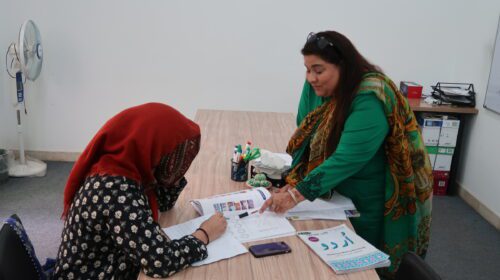
(1) Use this to practice listening and understanding:
Have an Urdu-speaking teacher or friend look at the first page and point out as much as they can about the picture. Encourage them to talk about each item in the picture. Record them as they do it.
Listen to the recording with them, pausing to ask about anything you don’t understand. This is best done fully in Urdu. Just like in your native tongue, you can define a word using other words. Try to have them define or explain things fully in Urdu.
After finishing the whole book, have your teacher or friend record the book as one story. Just like with each page, go back through the recording with them. They may switch to a storytelling mode, saying things differently from when they were focused just on an individual page. They might even switch tenses, allowing you to note how and when they do it.
Afterwards, take the opportunity to tell the story yourself (see more below). Don’t worry about getting it perfect or saying it how they said it, just try your best.
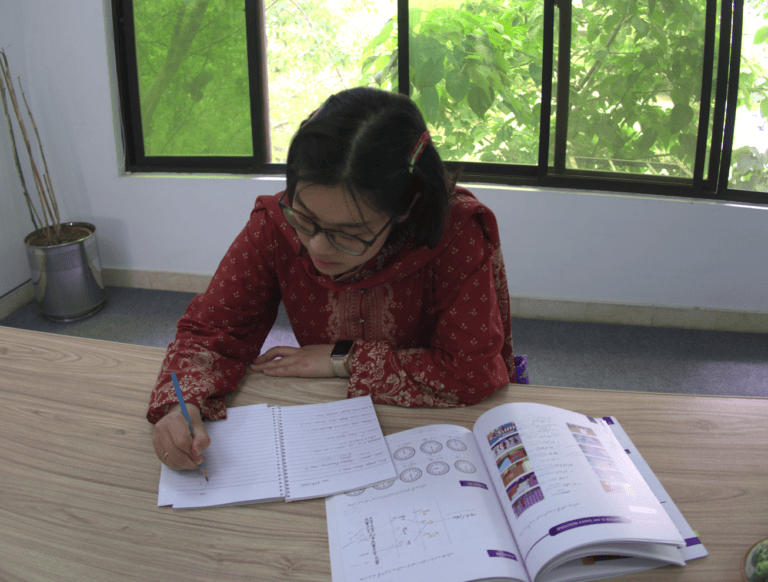
(2) Use this to get yourself talking:
With an Urdu-speaking teacher or friend, open the first page and say as much as you can about the picture. Point out things you know. Ask questions about things you aren’t sure about. Ask “why” or opinion questions to engage with your friend in the language. Just make sure it is all in Urdu! You might surprise yourself how easily you can spend 5-10 minutes just talking about one page. Go through and do the same with each page of the story, talking as much as you can about the details of each picture.
Once you have finished each page, go back and try to tell the book as a story. The aim is not perfection but further practice of what you have learned on the individual pages.
After listening to the native speaker’s recording of the story, try to tell the story again. Don’t worry about getting it perfect or saying it how they said it. Just try your best.
It might take a few hours (can be spaced out between classes) to do these learning activities with all the pages of a wordless book, but it is very valuable learning time.
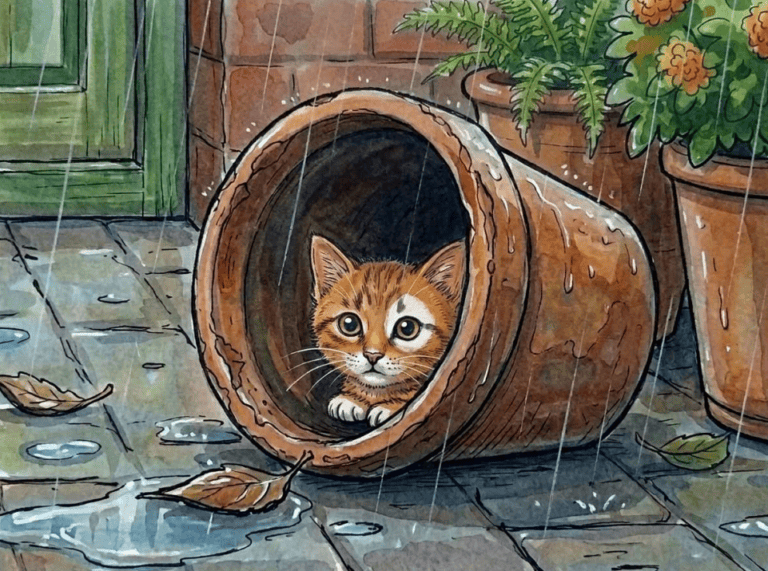
Try it with our new resource! Here at Zubaan we have been working on updating the learning resources for language learners.
Feel free to download and use this free “Lost Kitten” wordless book below.